Emergencies
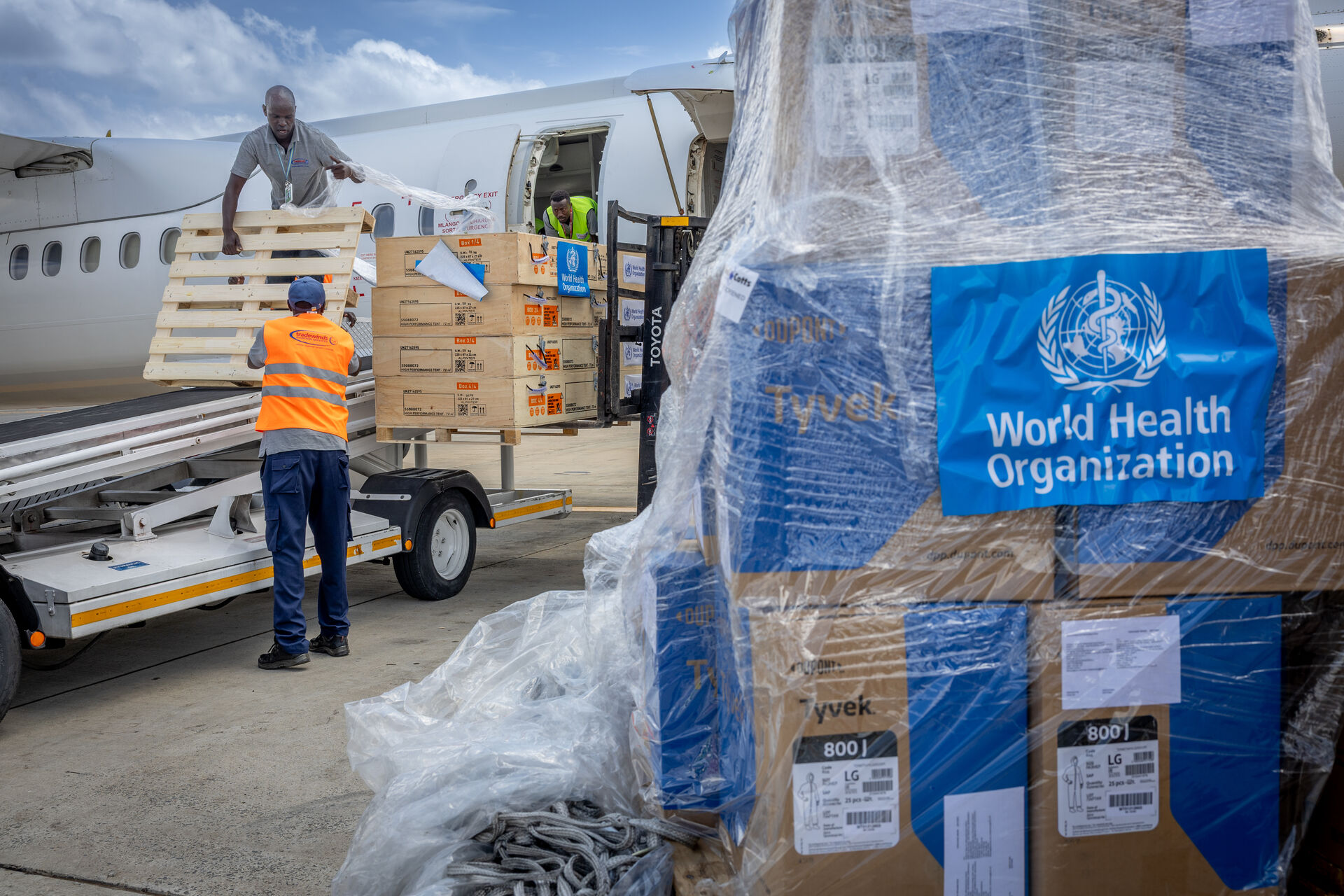
Guided by science, WHO leads global efforts with countries and partners to reduce risks and protect people’s lives. When crises occur, we bring expertise and partners together to act fast, save lives and keep health care available for communities.
Global health emergencies
All →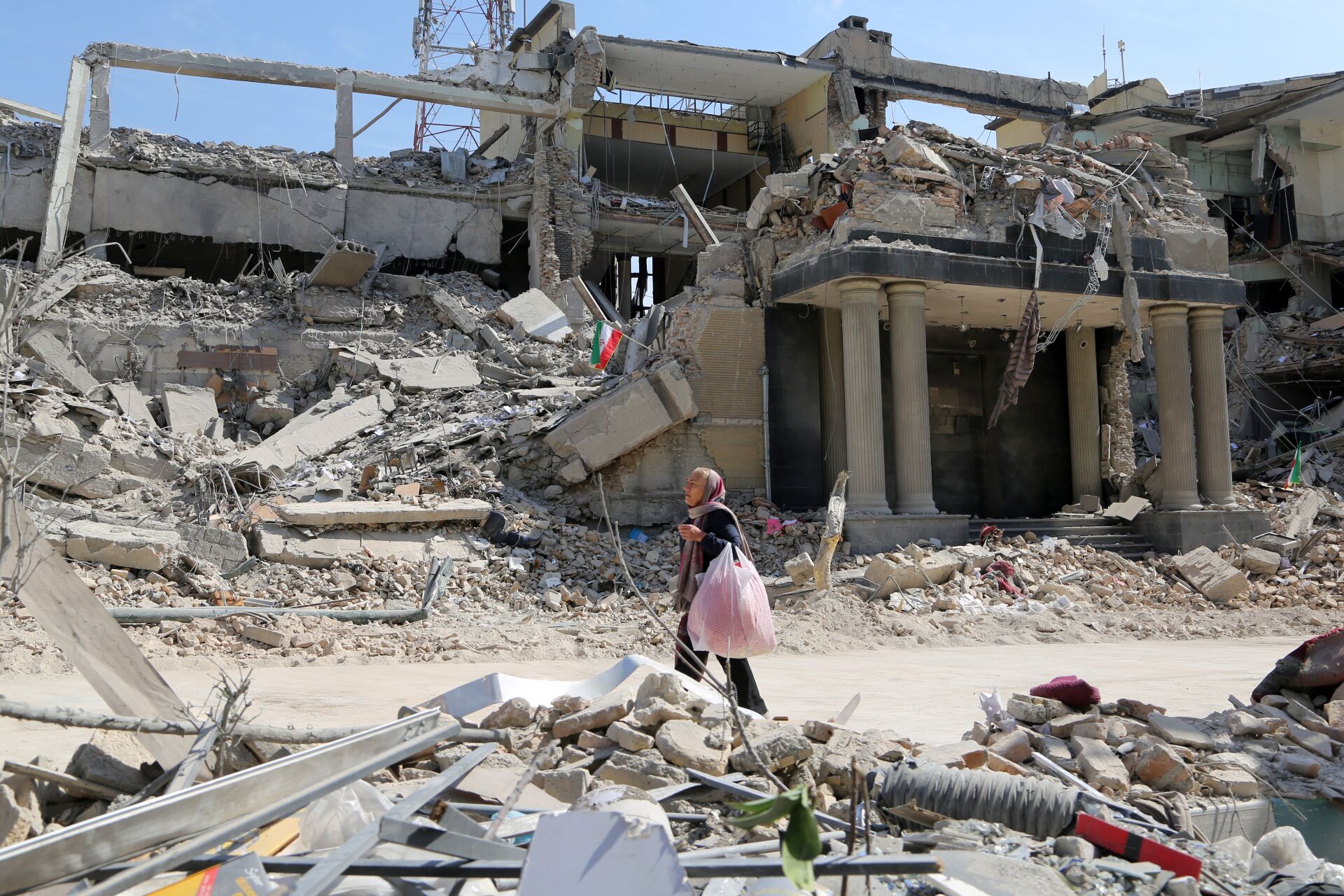

Our emergency work in focus
All →
Publications
All →
13 July 2026
The Diagnostic testing for Ebola disease and Marburg virus disease: interim guidance, 9 July 2026
Rapid diagnosis of Ebola disease (EBOD) and Marburg virus disease (MVD) is critical to provide timely and appropriate care and stop transmission. These...
Filovirus disease outbreaks pose significant public health threats, and treatment centres have become essential infrastructure for outbreak response. This...
This toolkit provides practical guidance to support risk communication and community engagement (RCCE) for cholera preparedness, readiness and response...
19 June 2026
The allocation, disbursement and reporting of external and domestic funds during health emergencies:...
This guidance provides recommendations for the allocation, disbursement, use, and reporting of domestic and external resources during disease outbreaks....
Documents
All →
11 August 2026
Attacks on health care dashboard - 2018
Health care is under attack. The sanctity of health care, the right to health, and International Humanitarian Law are threatened. Such attacks deprive...

11 August 2026
Attacks on health care dashboard - 2019
Health care is under attack. The sanctity of health care, the right to health, and International Humanitarian Law are threatened. Such attacks deprive...

11 August 2026
Attacks on health care dashboard - 2024
Health care is under attack. The sanctity of health care, the right to health, and International Humanitarian Law are threatened. Such attacks deprive...

11 August 2026
Attacks on health care dashboard - 2020
Health care is under attack. The sanctity of health care, the right to health, and International Humanitarian Law are threatened. Such attacks deprive...