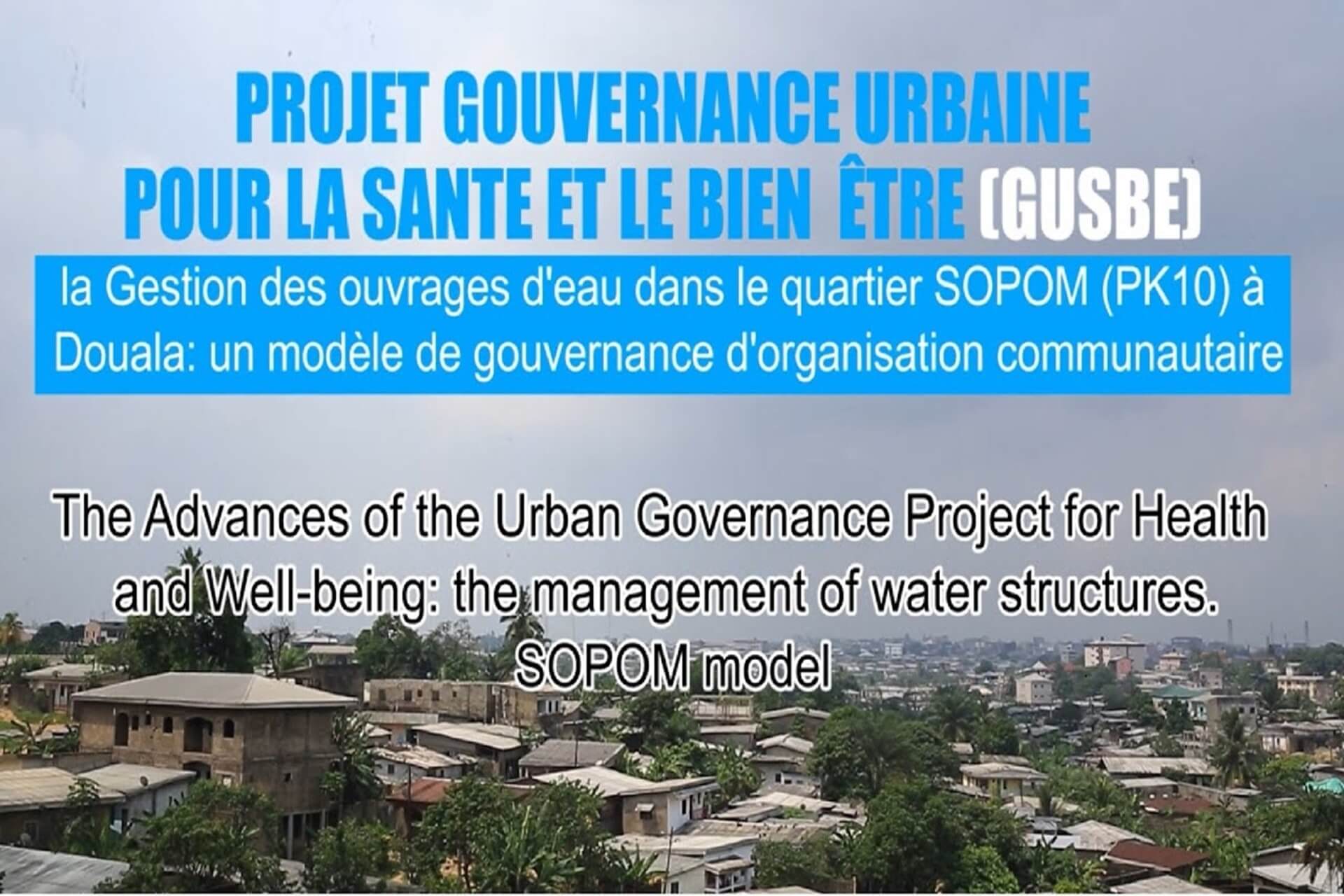
With a population of 4.3 million, Douala, composed of six districts, is the economic capital of the country. Douala faces major human and ecological challenges due to unplanned urbanization, inadequate public services, and persistent socio-economic and health inequalities. Limited access to safe drinking water heightens the city’s vulnerability, while rapid population growth continues to strain water and sanitation infrastructure.
Phase 1 (2020-2024) achievements
- Creation of a new multi-sectoral committee through a joint municipal by-law to harmonize budget planning and facilitate the coordination and monitoring of the City's Strategic Action Plan.
- Development of a 2023–2025 Strategic Action Plan using a multi-sectoral, participatory approach and engagement of over 200 stakeholders. The plan's priorities include: access to clean water, access to quality health care, hygiene, sanitation and environmental health, urban planning, and access to sustainable energy and electricity.
- Douala’s 3rd Municipal District has set up nine Water Management Committees to supervise the management and maintenance of 99 water points out of the 1,500 in the District. The Neighbourhood Committee model has revitalized community engagement and empowered communities to discuss their needs and find joint solutions with municipal authorities.
- More than 210 community and city actors trained on water and sanitation, nutrition and health promotion, with a focus on strengthening of their leadership skills to drive change at the local level.
- Commitment to increase access to improved water and sanitation for 37 500 people through the installation of 15 new boreholes in Douala 3rd Municipal District.
Phase 2 (2025 -2028) priorities
In Phase 2, Douala will focus on:
- Ensure the functioning of the multisectoral platform and inter-municipal groups for the examination and management of issues that reflect cross-cutting needs and priorities;
- Empower communities to increase their participation in decision-making processes and strengthen their leadership and management of community projects;
- Mobilize or increase communities' access to resources for local projects;
- Create healthy environments (city, schools, markets) and improved access to essential services (electricity, health, water, sanitation) through intersectoral collaboration.